
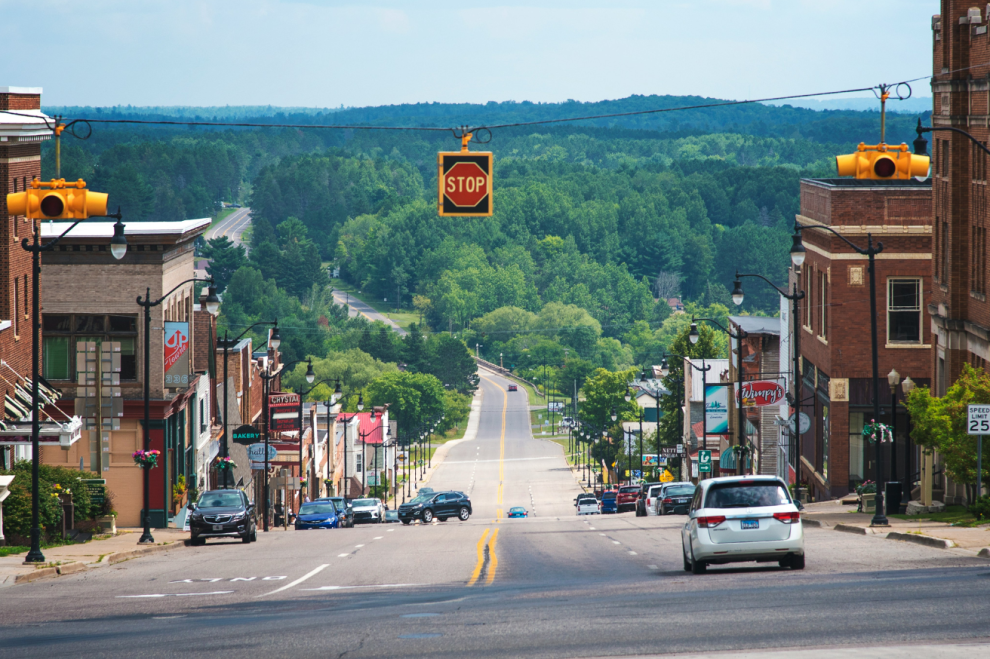
Jews in small communities seek the same opportunities for Jewish connection and safety as Jews in larger communities, but they face greater geographic, structural, and institutional barriers to achieving them, according to a new analysis by Jewish Federations of North America. The findings highlight distinct challenges around engagement, security, and leadership in small Jewish communities—and underscore the important role Federations and other communal organizations play in strengthening the infrastructure that helps Jews in communities of every size participate in flourishing Jewish life.
“Small Jewish communities are not simply smaller versions of larger Jewish communities," said Mimi Kravetz, Jewish Federations Chief Impact and Growth Officer. “They face unique realities and challenges. This research makes clear that the desire for Jewish connection is there, but too often the infrastructure and opportunities needed to support that connection are not.”
While Jews in small communities report lower overall engagement in Jewish life (28% compared with 40% nationally) and lower feelings of belonging (32% compared with 46%), the analysis also found clear evidence that the desire for Jewish connection remains just as strong. Following October 7, Jews in small communities increased their engagement at similar rates to Jews in larger communities when compared within the same prior engagement level. Likewise, across every engagement level, they are just as likely—and often more likely—to say they want stronger Jewish connections. Rather than reflecting lower interest, the findings suggest that geographic distance, fewer local opportunities, and lower awareness of available programs are the primary barriers to greater participation. Local Federations in small Jewish communities play a central role in addressing these challenges through community building, support for day schools and summer camps, and outreach in communities with smaller Jewish populations.
The analysis also highlights distinct security challenges. While rates of direct antisemitism are similar to those reported in larger Jewish communities, Jews in small communities are more likely to report that their experiences are dismissed and are less likely to believe local law enforcement takes antisemitism seriously. Importantly, they want the same security measures that make Jews elsewhere feel safer, underscoring the need to ensure small communities have access to the same professional security infrastructure.
The analysis also found that only 12% of Jews in small communities identify as community leaders, compared with 20% nationally, meaning a much smaller group of leaders is carrying responsibility for sustaining Jewish life.
Jewish Federations are helping ensure that Jews in small communities have access to the same opportunities for safety, connection, and belonging as their peers in larger population centers by investing in essential security infrastructure, community relations efforts, and strengthening Jewish engagement at the local level.
"Jewish Federations have a responsibility to every Jewish community," said Kravetz. "No matter where Jews live, they deserve opportunities to connect, belong, and feel safe. We'll continue strengthening the infrastructure that helps communities of every size flourish."
You can find the data from this survey here.
0Comments
Add CommentPlease login to leave a comment